
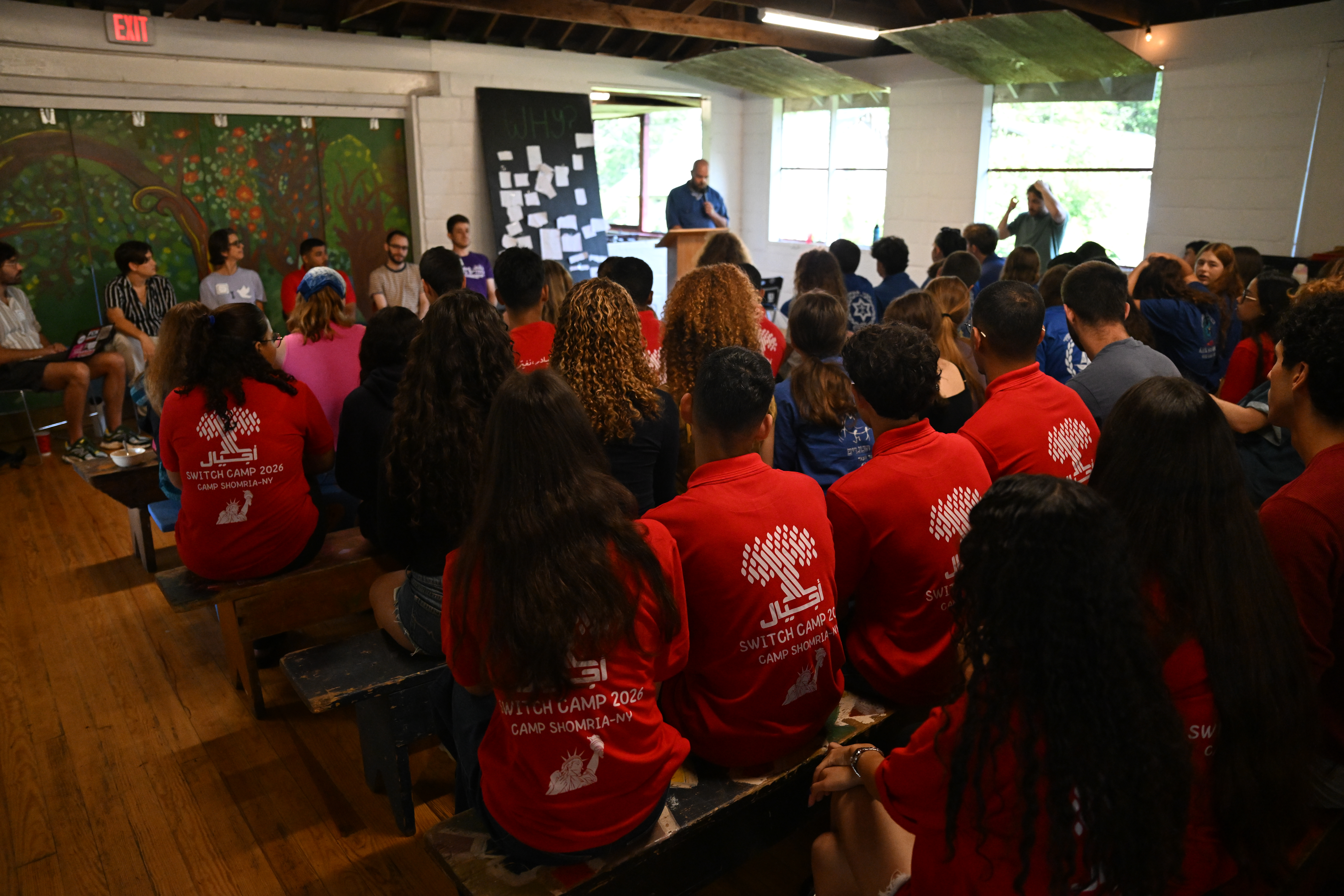
By Joseph Hillyard
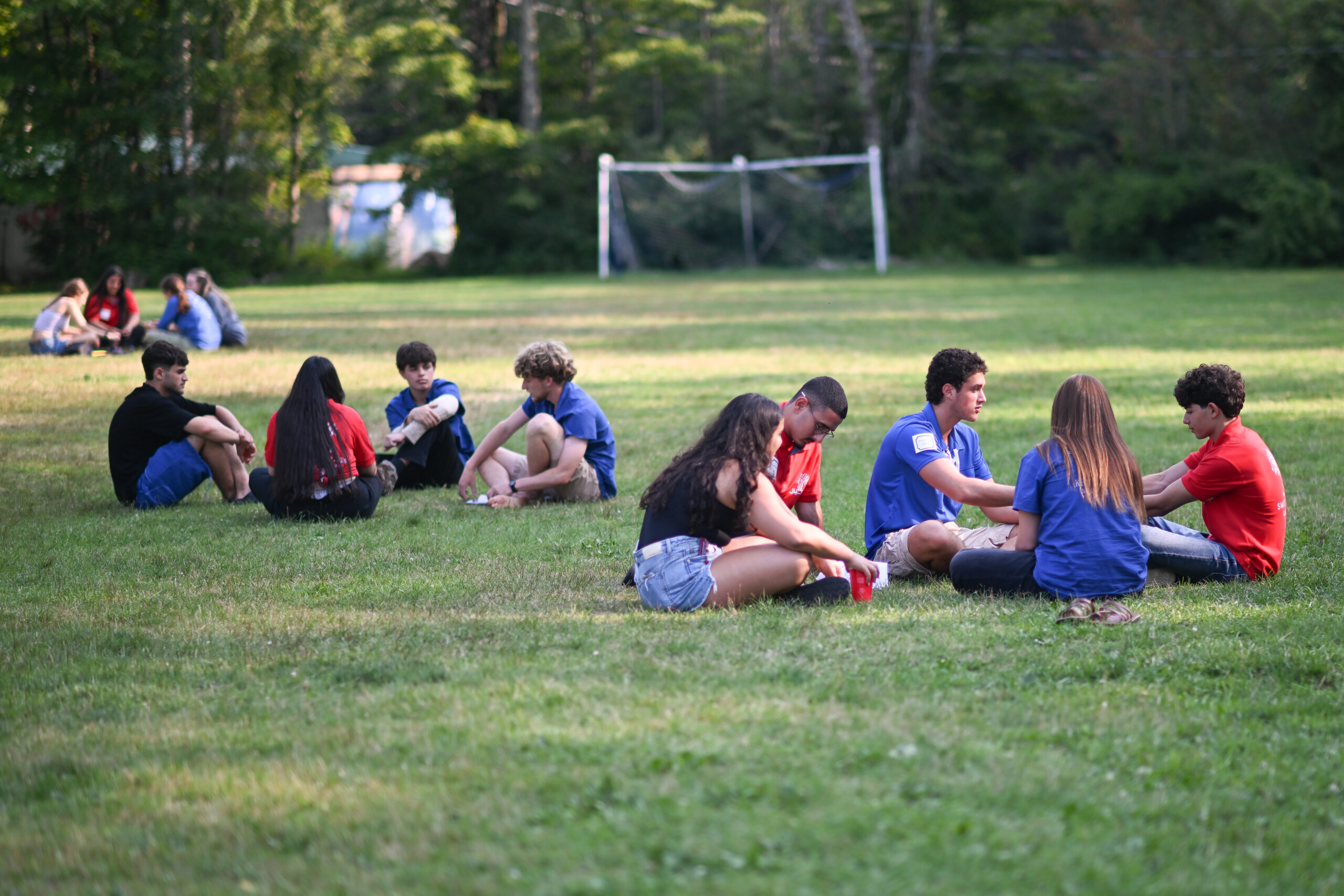
Israel-Palestine Peace and Solidarity Summit, Credit Gili Getz
Comparing history to today’s realities reveals the cracks in the assumptions that the dominant peacebuilding approach holds. Known as “liberal peacebuilding,” global entities like the UN, international NGOs, and states connect peace with democracy, institutions, and top-down processes meant to bring peace to conflict areas. But deeper analysis of many of these post conflict spaces shows that the damage was never repaired; rather, it was covered with a fresh coat of paint. Regarding Israel and Palestine, relying on the same approach risks reproducing the same flaws and failure points. This is where the recent Israel Palestine Peace and Solidarity Summit offers a different perspective on an old conflict.
Last summer, I had the privilege of participating in a program looking at the Irish and African diasporas in relation to one another. Traveling to Belfast as part of the program, I was struck by how deeply segregated the city remains. Catholic and Protestant neighborhoods were clearly marked, separated by a wall that once served as a military checkpoint. While fear of IRA bombings or violent incursions by the British army no longer stalks the people of Northern Ireland, the foundations for a shared society remain elusive.
As a progressive Black and Jewish American with family in Israel, I’ve been having an extended internal battle between two competing emotions: deep affection for the progressive values that I was raised with alongside growing cynicism that they retain any real meaning in our demoralizing political climate. That’s why the Peace and Solidarity Summit offered such a refreshing take, working past the cynicism and binary of pro-Israel vs pro-Palestine that we in America are so stuck in.
What made the summit different was not simply that Israelis, Palestinians, and Americans were brought together. That’s old hat. Rather, throughout the summit, whether it was a workshop on working across ideological divides, learning about the activism of Palestinian citizens of Israel, or informal discussions with fellow participants, there was an atmosphere of openness and a willingness to challenge existing approaches that I have found sorely lacking in other activist spaces. As Northern Ireland demonstrates, pursuing “peace” without addressing underlying inequalities threatens to reproduce the conflict in one form or another. In keeping with this, summit participants were encouraged to consider how this lesson could be applied to Israel and Palestine.
Where the summit excelled was in elevating the voices of individuals and local communities already working to create change. In a workshop with Mahmoud Zreini from Ajyal, we heard about efforts to empower Palestinian citizens of Israel, encouraging them to vote while also leading grassroots initiatives to address the challenges facing Arab communities today. In another workshop, representatives from the Protect the Harvest coalition described their work of “co- resistance,” bringing activists and allies to the West Bank to provide a badly-needed protective presence for local Palestinians during the olive harvest season.
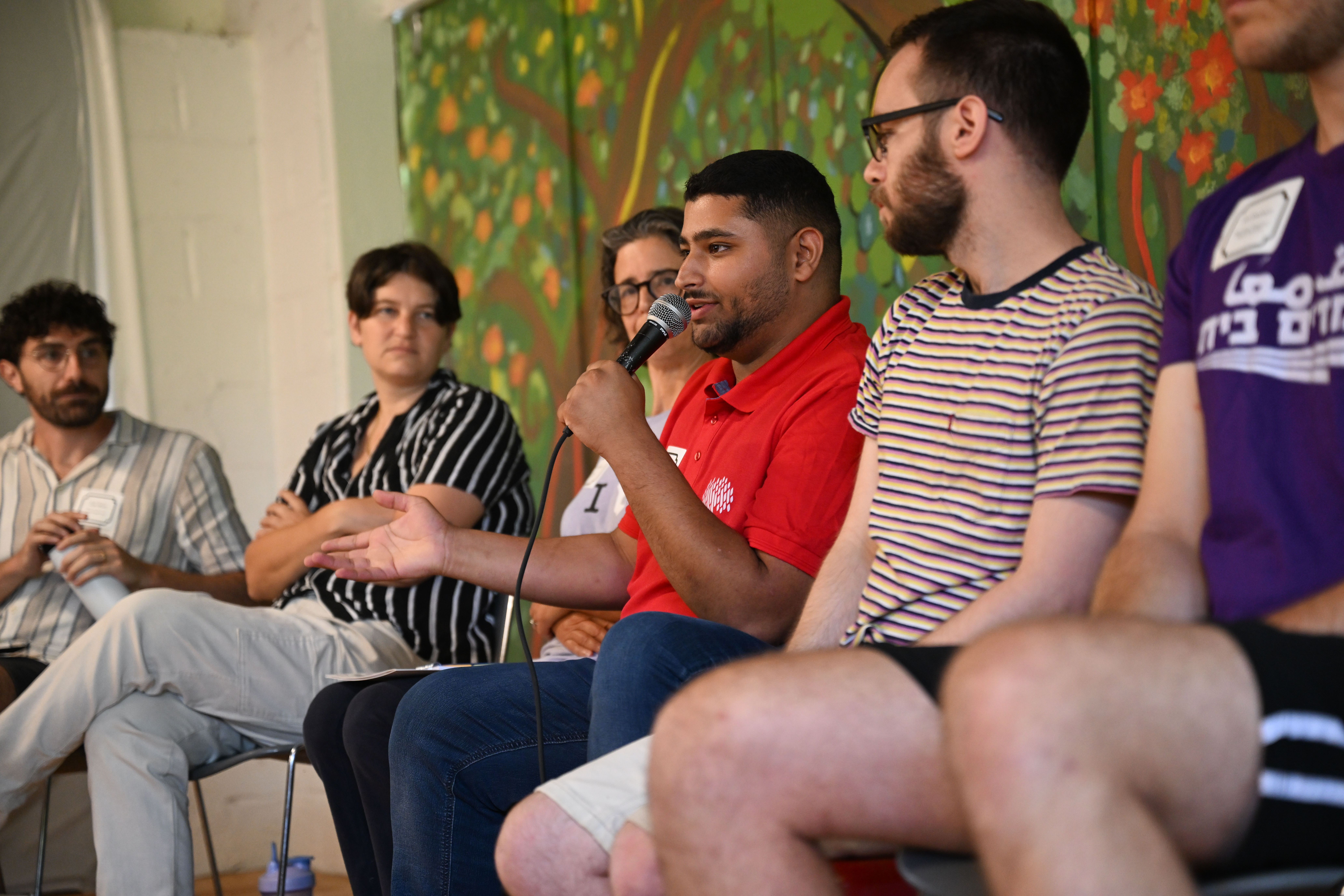
Israel-Palestine Peace and Solidarity Summit, Credit Gili Getz
These examples may seem small compared with the scale of the Israeli Palestinian conflict. But that is precisely why they matter. Peacebuilding cannot only happen at the level of governments and international institutions. It must also happen in the communities where inequality and mistrust are experienced every day.
This is the fundamental difference I see between the summit’s approach and traditional liberal peacebuilding. Liberal peacebuilding often assumes that peace can be established through stronger institutions, democratic governance, and political agreements. These things matter, but institutions alone cannot repair relationships or address the inequalities that allow conflict to reproduce itself. Belfast demonstrates that the absence of widespread violence does not automatically produce a genuinely shared society.
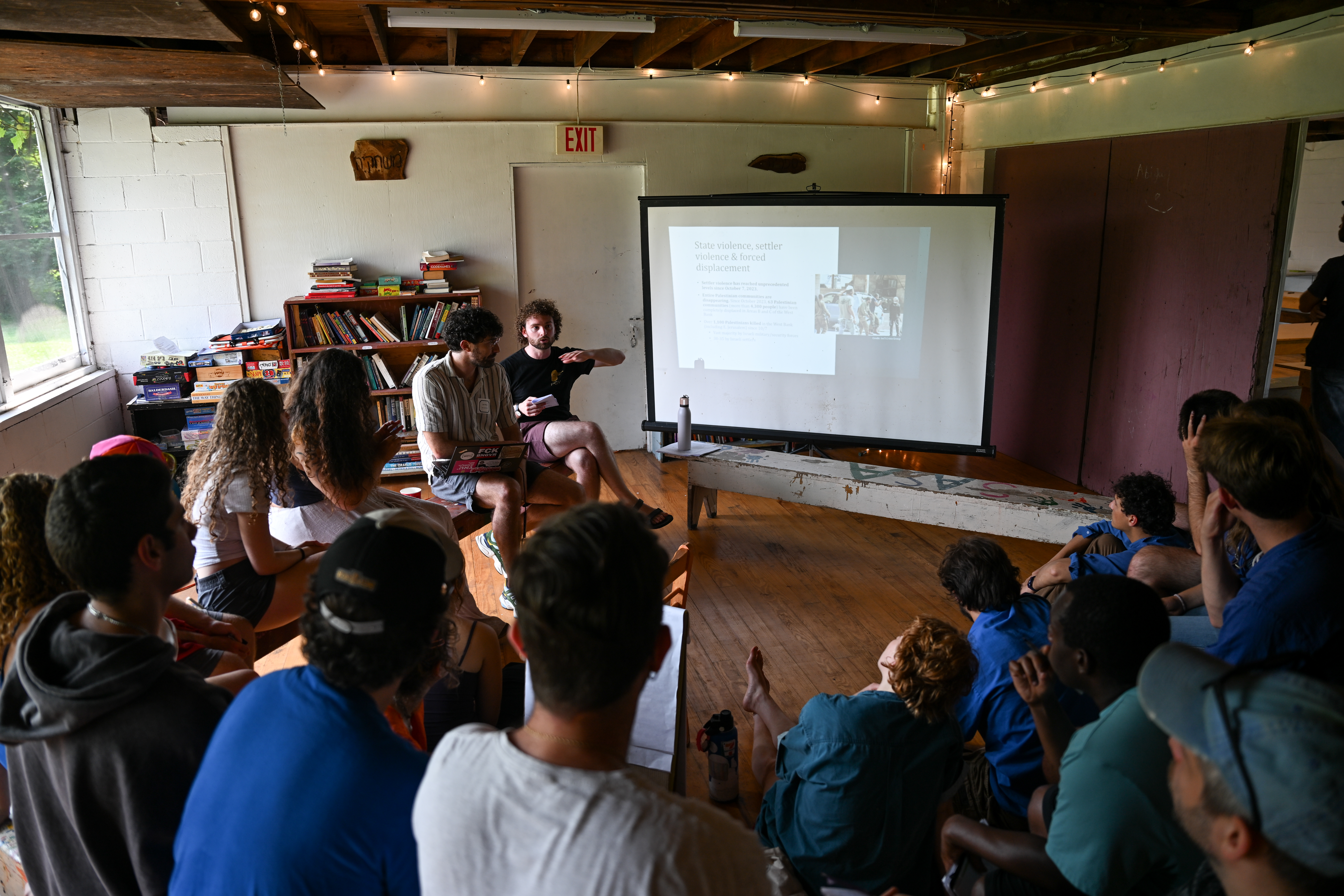
Israel-Palestine Peace and Solidarity Summit, Credit Gili Getz
The pragmatism presented during the summit reminded me of John Hume, one of the architects of the Good Friday Agreement and a leader of the nonviolent wing of the Irish Republican movement. In his Nobel Prize lecture, he spoke of the need to move beyond political violence and toward a future built around a shared sense of purpose. Just as Hume called for an end to sectarian bloodshed, efforts such as Protect the Harvest build upon generations of activism, realizing the potential of diverse coalitions rooted in the humanity of Palestinians and Israelis, without losing sight of unequal power dynamics.
It is this same commitment that motivated journalist Oded Lifshitz, an alumnus of Hashomer Hatzair, to spend decades fighting for Israeli Palestinian peace until he was kidnapped by Hamas. His daughter Sharone wrote after her father’s body was returned from Gaza: “Both my parents were peace activists all their lives…We know that hate and revenge cannot bring even a momentary relief from the pain.” The same belief now motivates a new generation of activists such as Mohsen Mahdawi, a Palestinian peace activist who has argued that a just and lasting peace for Palestinians and Israelis requires diplomacy and restorative justice.
I am under no illusions that peace is around the corner, or that the upcoming elections in the US and Israel will provide the political changes that are essential if both societies are to move forward. But the Peace and Solidarity Summit reminded me that political change does not have to begin with governments, a lesson that is particularly apposite nowadays. Instead, it can begin with people and communities already working to create something different. A lasting peace will require political solutions, but it will also require justice, relationships, and the voices of those most directly affected by the conflict. The summit offered a reminder that these local efforts are not separate from the work of peacebuilding. They are an essential part of it.
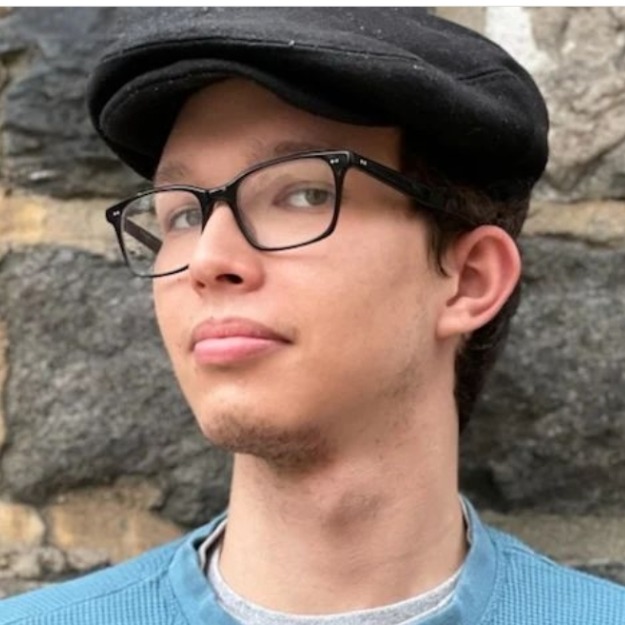
Joseph Hillyard is a writer and cultural critic whose work has been featured in publications such as Liberal Currents, Haaretz and The Forward. He is a proud Native New Yorker, hailing from Washington Heights in Upper Manhattan where he grew up in a progressive minded Black and Jewish family. He graduated with honors from NYU Tisch with a BFA in Dramatic Writing.
Leave A Comment